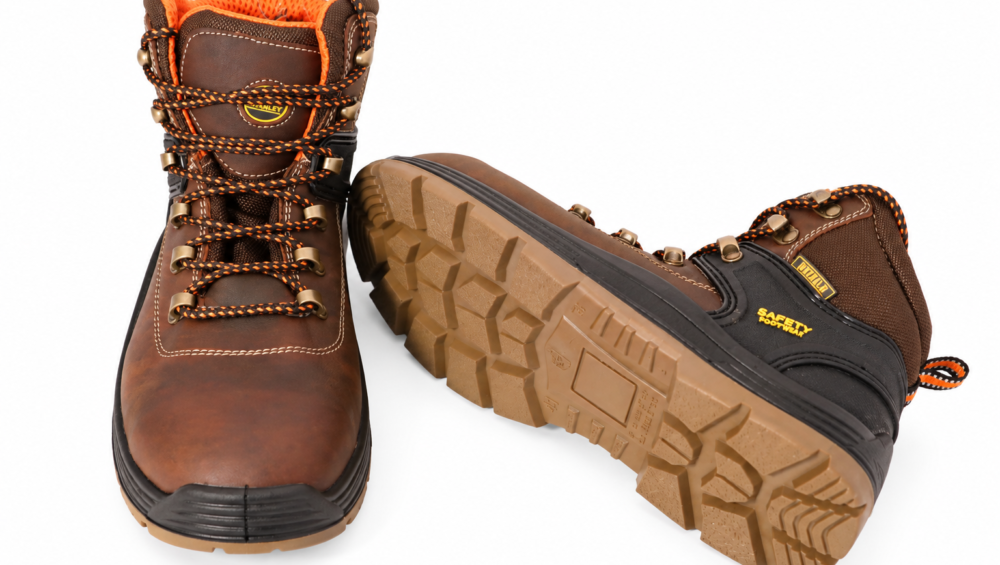
Choosing safety footwear is easier once the markings stop looking like alphabet soup. S3 is one of the most widely recognised classifications, but it is often misunderstood. It describes a package of protective features rather than a particular style, brand, or level of comfort.
If your job involves wet ground, loose fixings, heavy materials, or uneven outdoor surfaces, S3 safety boots could form part of the protection identified by your workplace risk assessment. The label alone is not enough, though. The boot still needs to fit properly, suit the actual hazards, and comply with the standard stated on its product marking.
What Does the S3 Rating Mean?
UK safety footwear is commonly assessed under BS EN ISO 20345. The current British standard is BS EN ISO 20345:2022+A1:2024, although footwear certified under an earlier edition may still appear on sale. That matters because some markings changed when the 2022 requirements were introduced.
At a practical level, S3 footwear combines core safety-shoe requirements with several additional features. These include a safety toe cap, a closed heel area, antistatic properties, energy absorption around the heel, resistance to water penetration and absorption through the upper, penetration protection beneath the foot, and a cleated outsole.
Those protective toe caps are tested against an impact energy of 200 joules under the standard. This is designed to reduce the risk from falling or rolling objects and crushing hazards. It does not make a boot indestructible, and damaged footwear should never be treated as fully protective.
S3, S3L and S3S: Know the Difference
Newer footwear labels separate penetration protection into three categories. S3 uses a type P insert, normally metallic, tested with a 4.5 mm nail. S3L uses a non-metallic PL insert tested with the same nail size. S3S uses a non-metallic PS insert tested with a narrower 3 mm nail.
This detail is worth checking when comparing S3 safety footwear UK options. Metal and non-metal inserts differ in weight, flexibility, and the way they are tested. One is not automatically right for every wearer or task. Your employer’s risk assessment and the manufacturer’s declaration should guide the choice.
In everyday language, all three fall within penetration resistant footwear, intended to reduce the chance of sharp objects passing through the sole. That does not mean no object could ever penetrate the boot. The protection is tested under defined laboratory conditions, so good housekeeping and safe working practices remain essential.
Are S3 Boots Waterproof?
Not necessarily. S3 includes a water penetration and absorption requirement for the upper, identified as WPA in the newer standard. This helps where footwear encounters damp conditions, but it is different from testing the complete boot for water resistance.
If you specifically need waterproof safety boots, look for the WR marking and read the product specification rather than relying on S3 alone. Under the newer classification, S7, S7L and S7S footwear combines the corresponding S3-family features with whole-footwear water resistance.
Think about the real exposure as well. Occasional wet grass, repeated puddles, and standing in water are very different conditions. Ask how long the footwear will be exposed and whether another specialist product is required.
What About Slip Resistance?
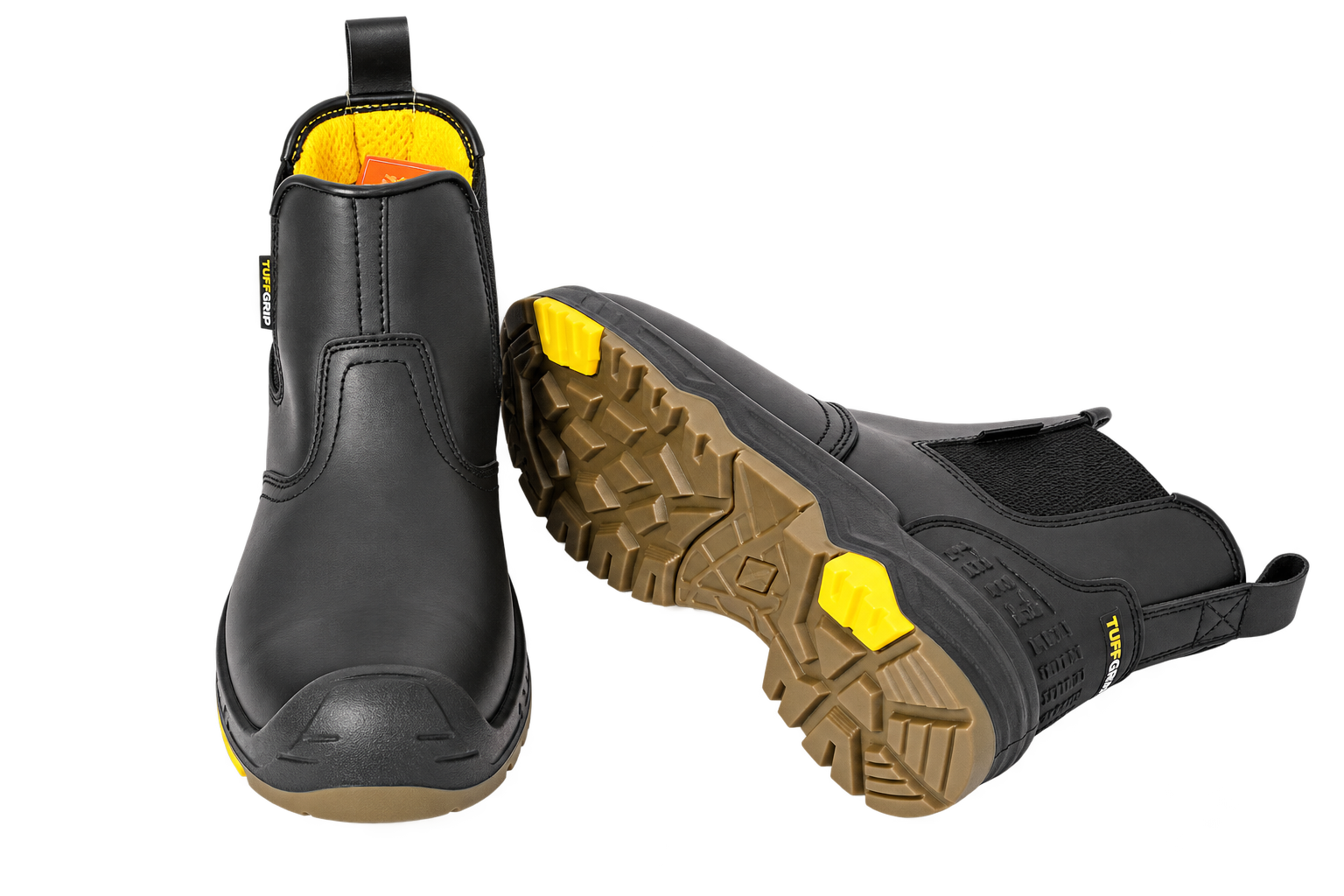
Grip matters on muddy sites, wet yards, smooth warehouse floors, and areas where small spillages occur. The current standard includes a basic slip test, while the additional SR marking indicates that footwear has passed a further test on a ceramic tile surface with glycerine.
Even so, slip resistant work boots are not “slip-proof.” Tread can clog with mud, wear down, or perform differently across surfaces. Cleaning the outsole, dealing with spills, and replacing worn footwear are just as important as selecting the original pair. HSE guidance says footwear should be appropriate to the risks identified, including slipping, falling objects, and sharp materials.
Where Are S3 Boots Commonly Used?
The combination of toe, underfoot, and upper protection often makes S3 work boots relevant to construction, groundworks, utilities, outdoor maintenance, engineering yards, waste operations, and some warehouse or logistics roles. For example, a worker moving between a wet yard and an indoor loading area faces different conditions from someone working only on a clean, dry floor.
S3 should not be treated as a universal answer. Electrical hazards, chainsaw use, molten metal, chemicals, and extreme temperatures require specific protection and sometimes separate standards. Start with the job, environment, and risk assessment, then match the footwear to them. Where PPE is required by a workplace risk assessment, UK employers are responsible for providing suitable PPE free of charge.
Comfort and Fit Still Matter
A protective boot that rubs, slips at the heel, or crushes the toes becomes difficult to wear through a full shift. Try footwear with the work socks you normally use. Check that the heel feels secure, the toes have sensible room, and the fastening holds the foot without creating pressure points.
Also consider weight, ankle height, flexibility, and the amount of walking, kneeling, or climbing involved. A substantial boot may suit rough external work, while a lighter design could feel more practical for frequent movement. The safety rating must remain appropriate in either case.
Choosing Safety Footwear from NetraDewear
NetraDewear’s indexed range includes lace-up and slip-on safety boots alongside other workwear and PPE. Because the fastening style or product name does not confirm an S3 rating, inspect each listing for its certification, standard year, and exact symbols before buying. Current stock and sizes may change, so contact the retailer if a specification is unclear.
Finally, inspect boots regularly. Look for worn tread, splitting uppers, damaged seams, exposed toe protection, or sole damage. Follow the manufacturer’s care instructions and workplace replacement policy. The right S3 footwear is not simply the toughest-looking pair; it is the correctly certified, properly fitting option matched to the hazards you genuinely face.