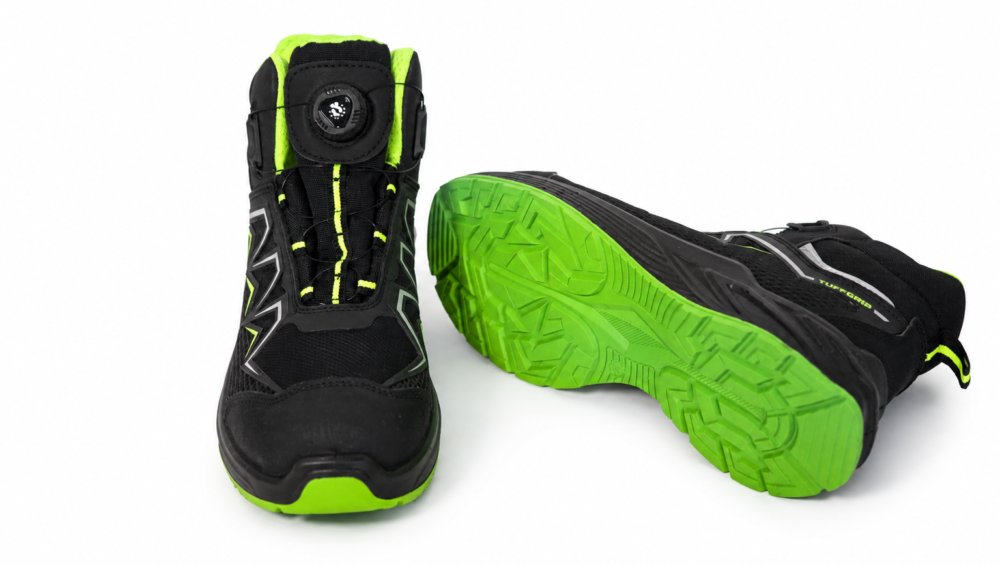
Choosing work footwear is not simply a matter of preferring a boot or shoe. The right option depends on workplace hazards, walking surfaces, standing time, and movement. A construction worker on rough ground faces different risks from someone picking orders in a dry warehouse.
That is why the safety boots vs safety shoes decision should begin with your workplace risk assessment. Both styles may offer protective toes, slip-resistant soles, or penetration-resistant midsoles, but features vary. The upper’s shape does not reveal the full protection provided.
What Is the Main Difference?
Safety boots extend above the ankle, while safety shoes have a lower cut. Boots provide more coverage; shoes often feel less restrictive during frequent walking, bending, or driving.
Neither design is automatically safer. A low-cut shoe with the correct protection may outperform a boot with the wrong rating. Match tested features to the risks identified for your job.
When Safety Boots Make More Sense
Boots are familiar in construction, groundworks, landscaping, and outdoor maintenance. These roles may involve uneven surfaces, mud, sharp objects, and falling loads. Suitable construction footwear may need protective toes, penetration resistance, grip and an upper suited to the environment.
Workers often search for ankle support safety boots for changing ground. A higher upper does not guarantee injury prevention; fit, fastening, and task suitability still matter. HSE has documented a workplace replacing loose rigger boots with closer-fitting lace-up styles when more ankle support was needed.
NetraDewear’s indexed range includes Buffalo ultra-flexible lace and slip-on safety boots alongside Groundwork lace and slip-on styles. Shoppers should still check each product’s specifications before purchase.
When Safety Shoes May Be the Practical Choice
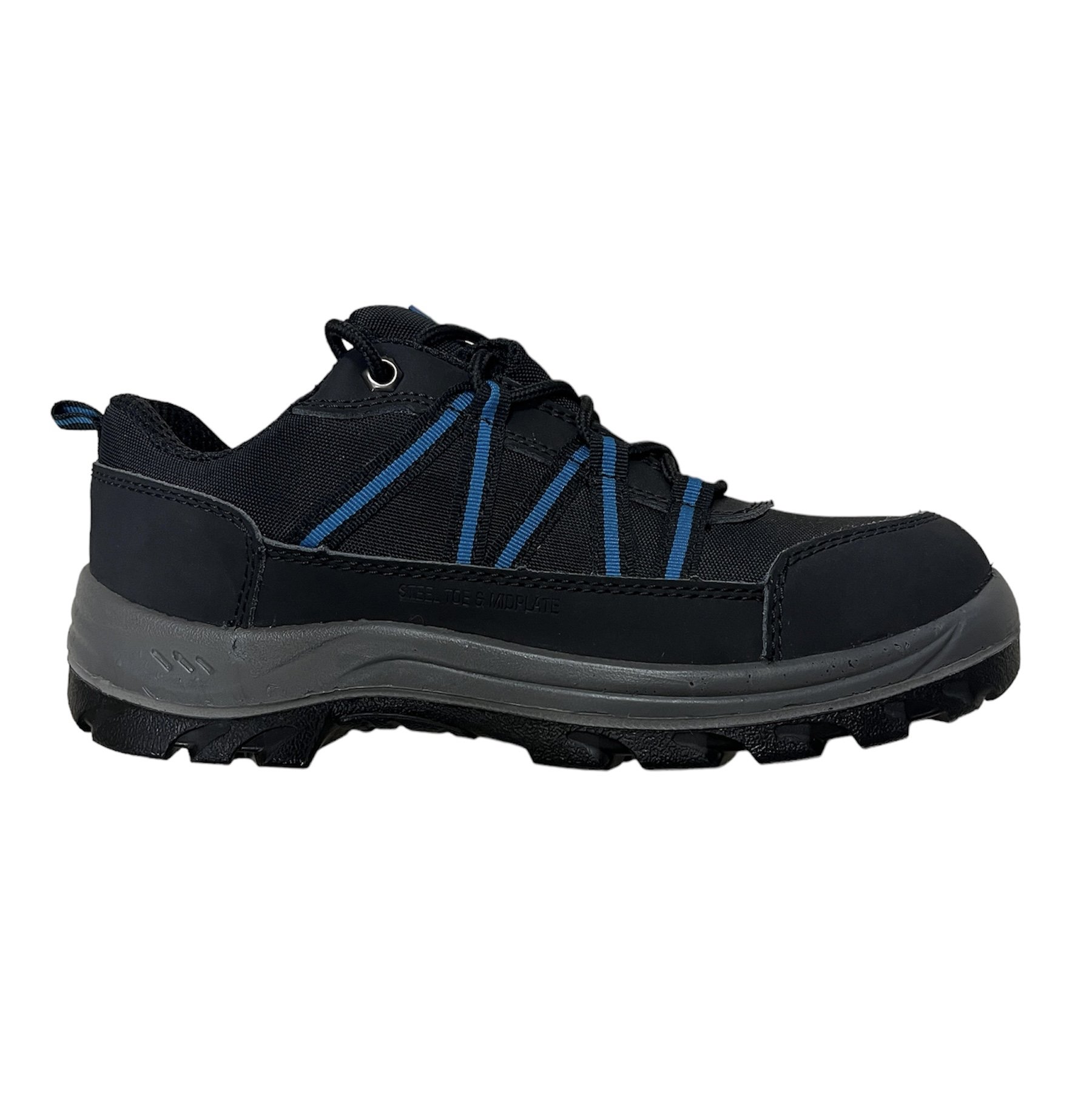
Low-cut safety shoes often suit indoor jobs involving long distances on even floors. Warehousing, logistics, and light manufacturing may place greater emphasis on movement and lower weight.
For these settings, warehouse safety shoes should reflect actual hazards. Grip matters where dust or spills affect floors, while toe protection may be required around pallets. Penetration resistance may be unnecessary in one workplace but essential in another.
Many people prefer lightweight safety shoes because they feel closer to trainers. Lower weight reduces bulk but must not replace required protection. Check product markings and employer guidance rather than relying on “lightweight” or “work shoe” alone.
Protection Ratings Matter More Than Style
When shopping for safety footwear UK workers should look beyond labels. HSE says footwear must suit the risks involved. Protection may include toe caps, penetration-resistant construction, grip, oil or chemical resistance, antistatic properties, and insulation.
BS EN ISO 20345:2022+A1:2024 covers basic and optional requirements relating to mechanical hazards, slip resistance, thermal risks, and ergonomic behaviour. A compliant product does not necessarily include every optional feature, so read its specification and confirm the rating your role requires.
Where a risk assessment requires PPE, employers must provide suitable equipment free of charge. Workers should use it correctly and report damage or defects.
Comfort Still Deserves Serious Attention
Protective features matter, but discomfort becomes distracting over a full shift. Good comfortable work footwear should hold the heel, leave enough toe room and avoid pressure points. Try it with your usual work socks.
Walk, bend and climb before deciding. Check for heel lift and toe-cap pressure. A heavy boot may become tiring in a mobile role, while a flexible shoe may lack support for demanding ground.
Comfort is personal, so another worker’s favourite may not suit your feet. Do not replace insoles casually because a change may affect fit or certified performance.
A Simple Job-Based Comparison
Choose boots for rough ground, outdoor exposure, debris, or when higher coverage. Lace-up styles may fit more closely, while slip-ons must still hold the foot securely.
Consider shoes for indoor work, frequent walking or driving. The correct work safety shoes must still meet every protection requirement identified by the employer.
For mixed duties, base the choice on the highest relevant risk. Footwear suited only to clean warehouse floors may be inadequate in an outdoor yard.
Questions to Ask Before Buying
Before placing an order, check:
- Which hazards does the workplace assessment identify?
- Is toe or midsole protection required?
- What level of slip resistance suits the floor and contaminants?
- Will the footwear be used indoors, outdoors or both?
- Does the fastening keep the heel and ankle secure?
- Is the fit comfortable during walking, kneeling and climbing?
- Does the product meet the standard and rating required by your employer?
Find the Right Footwear for the Work
Safety boots often suit heavier outdoor work, while shoes may suit mobile indoor roles. The better choice fits properly and provides the protection your job requires.
NetraDewear offers UK workwear, PPE and safety and non-safety footwear. Review each item’s features, compare lace-up and slip-on designs, and confirm employer requirements before ordering. Protection, fit and everyday usability should work together.